Author: Nathan Lloyd, Designer at Passarelli Builders. Nathan holds a degree in Architecture and leads the design side of every addition and remodel, translating a family’s daily life into a floor plan that actually works for them.
As your kids move from elementary school into middle school and beyond, your house starts to feel different. The shared bedroom that used to work fine now causes daily friction. The kitchen table disappears under school projects. The entryway is permanently buried in sports gear. At some point, it hits you: your family has outgrown this house.
The first instinct is usually to start browsing listings for a bigger place. But once you actually run the numbers on moving, that appeal fades fast.
For families in the western suburbs, moving often means giving up the things you chose this house for in the first place: a school district you trust, neighbors you know, a commute that works. A custom addition gives you another option, the square footage your family needs, without leaving the community you’re already invested in.
The Real Price of Buying Bigger
When you compare moving to investing in a Naperville home addition, look at the whole financial picture, not just a new mortgage payment.
Selling and buying comes with real, non-recoverable costs: agent commissions, transfer taxes, moving expenses, loan fees. And with inventory tight across DuPage County, finding a home that already fits your layout and style is hard. A lot of families end up paying a premium for a bigger house, and then spending more to remodel the kitchen or bathrooms anyway.
Putting that same money into your current home means it goes straight into building equity in a neighborhood you already know has held its value. Instead of paying for someone else’s choices, you’re building exactly what your family needs.
Making an Addition Look Like It Was Always There
Adding onto an established home isn’t the same as building on an empty lot. You’re working within fixed property lines, existing landscaping, and Naperville’s zoning rules on lot coverage, height, and setbacks.
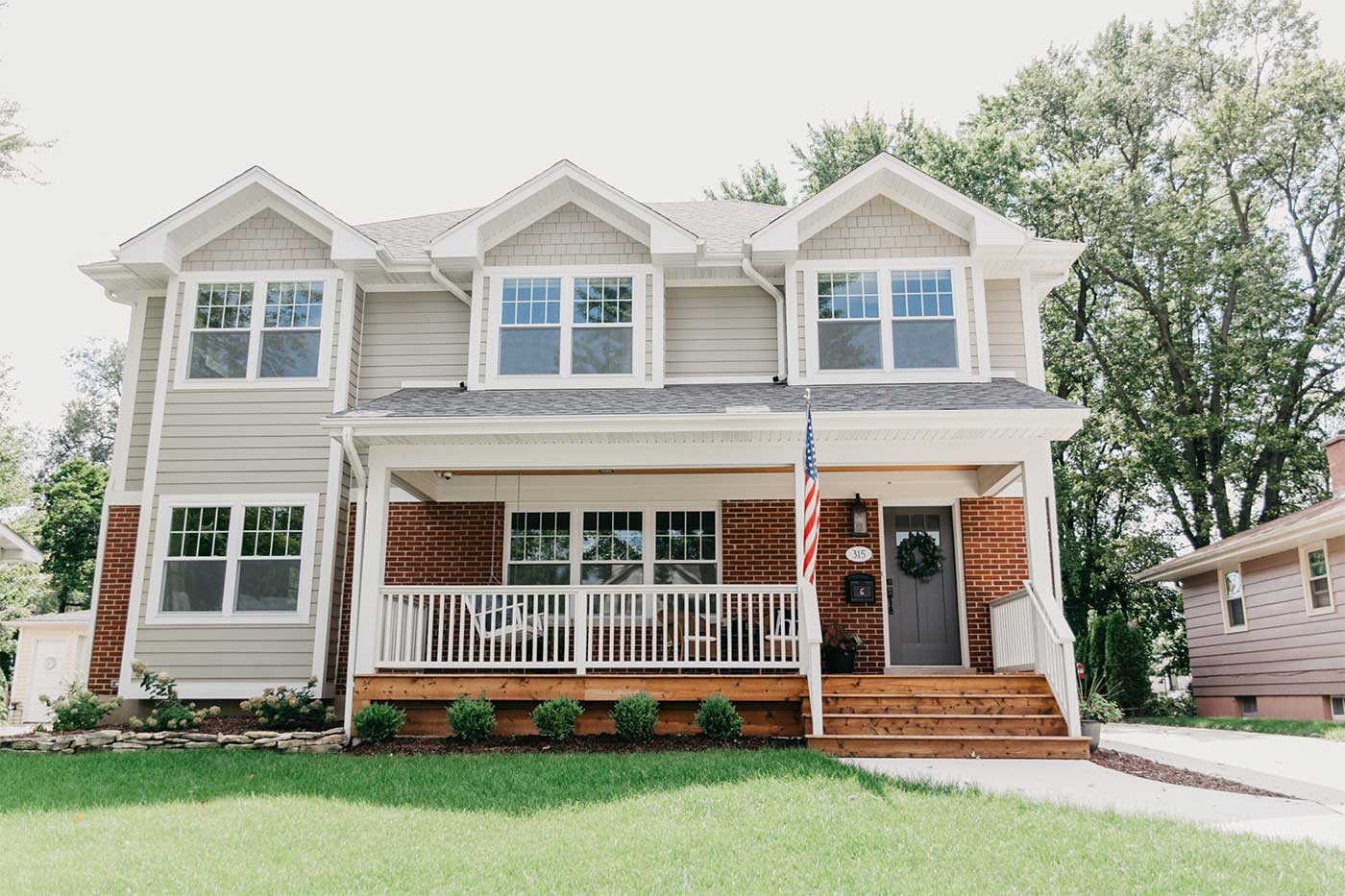
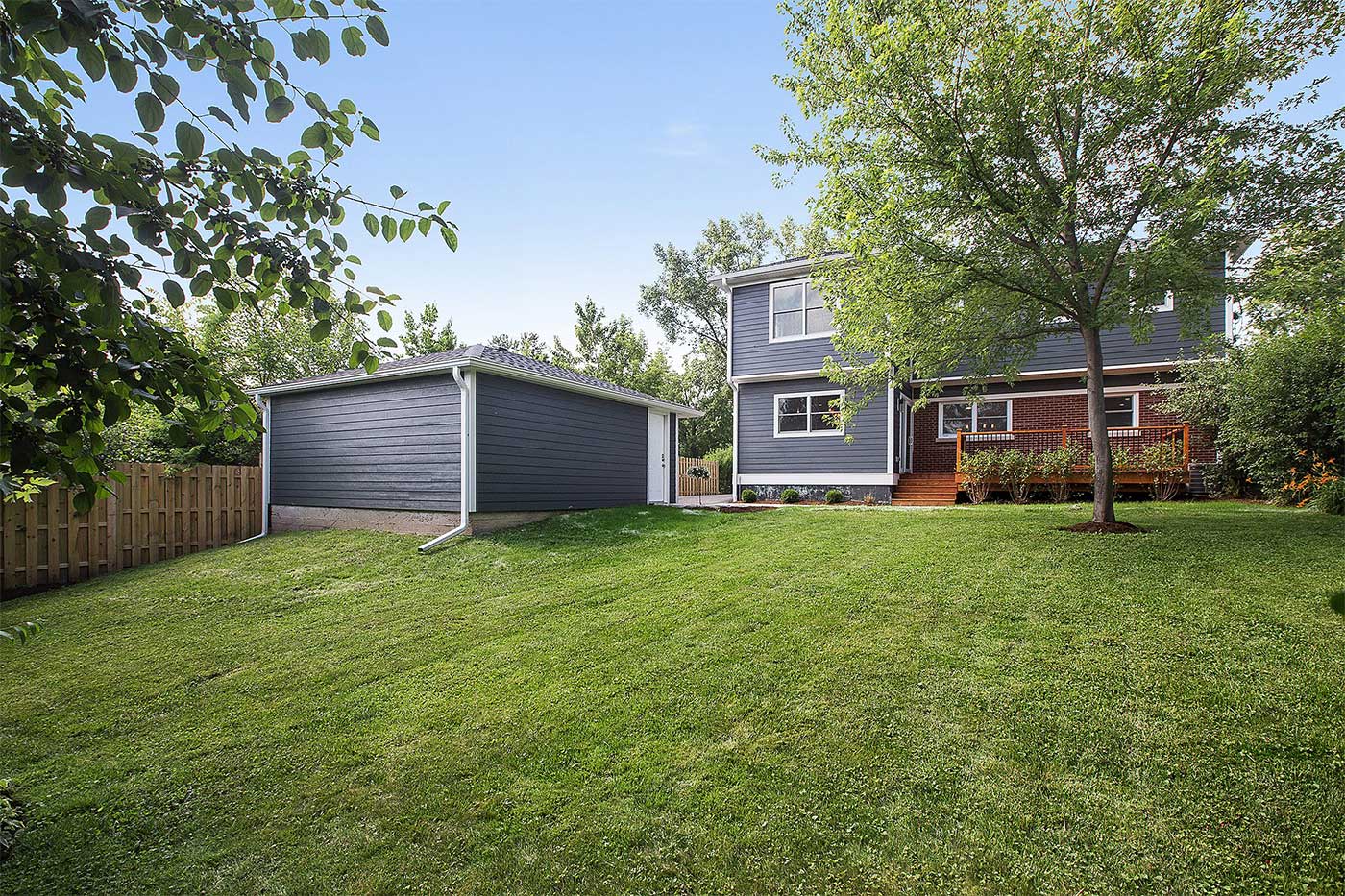
An experienced local builder looks at those restrictions early and helps you decide whether your lot works better for a ground-level addition off the back of the house or a second story above the garage. Either way, tying a new structure into an older frame takes real carpentry skill. The connection points have to be sealed and insulated properly to hold up against Illinois winters, and the new roofline, siding, and windows need to match the original house closely enough that the whole thing looks like it was always there.
A Few Ways Families Are Using the Extra Space
A real mudroom. Custom lockers and durable flooring that catch wet coats, backpacks, and cleats before they hit the rest of the house.
A second-story bedroom suite. New bedrooms and a bathroom that give growing kids some privacy, and free up your main floor.
A private home office. A quiet, separated workspace for remote work, away from the noise of the rest of the house.
Curious what this could look like on your own lot? Browse our portfolio to see completed additions from families across Naperville and the western suburbs.
Living Through the Build
It’s easy to assume construction chaos is worse than the stress of moving. For parents already juggling careers and school schedules, that fear alone can be enough to talk yourself out of an addition.
A team that respects your home treats it differently than a commercial jobsite. That means real separation between the build zone and your living space, debris cleared daily, and major structural work scheduled around good weather instead of forced through it. You should always know when the foundation is being poured, when framing starts, and when inspections are happening, so your family’s routine stays intact while the work gets done.
Let’s Talk About Your Space
Passarelli Builders has three lead carpenters with over 50 years of combined experience, 12 of those years specifically with our clients here in the western suburbs.
Gain the space you need without leaving the neighborhood you love.
Contact our team at (630) 969-5137 or pbd@pbdbuild.com to schedule a consultation.
Frequently Asked Questions
Is it cheaper to add onto my home or buy a bigger one in Naperville?
Once you account for agent commissions, transfer taxes, and moving costs, plus the likelihood of still needing to remodel a “move-in ready” home, a custom addition often puts your money to better use, directly into your own property’s equity.
Do I need a permit for a home addition in Naperville?
Yes. Additions involve zoning review for lot coverage, height, and setbacks, along with standard building permits, so working with a builder who knows the local process from the start avoids delays.
Should I build out or build up?
It depends on your lot. A builder familiar with local zoning can help you determine whether a ground-level expansion or a second-story addition makes more sense for your property.
How does Passarelli minimize disruption during a home addition?
Clear separation between the build zone and your living space, daily debris cleanup, and a predictable schedule so you always know what’s happening and when.
Key Takeaways
- Moving has real hidden costs: agent commissions, transfer taxes, and moving expenses often get overlooked next to the mortgage payment.
- An addition builds equity in a neighborhood you already trust, instead of paying a premium for someone else’s choices.
- Zoning and structural work take real skill: an experienced local builder navigates Naperville’s setback and lot coverage rules and ties new construction into an older frame properly.
- A respectful crew protects your routine: clear separation, daily cleanup, and weather-aware scheduling keep the build from disrupting family life.